Losing Your Top Performer? Employee Retention Strategy in 2026



Retaining high-performing employees has become one of the most pressing challenges for managers today. Rising recruitment costs, repeated onboarding cycles, and the loss of institutional knowledge make employee attrition a serious business concern. In this article, we explore employee retention strategies through the lens of a real-world scenario, highlighting practical steps managers can take to understand employee needs, build engagement, and prevent the loss of top performers.
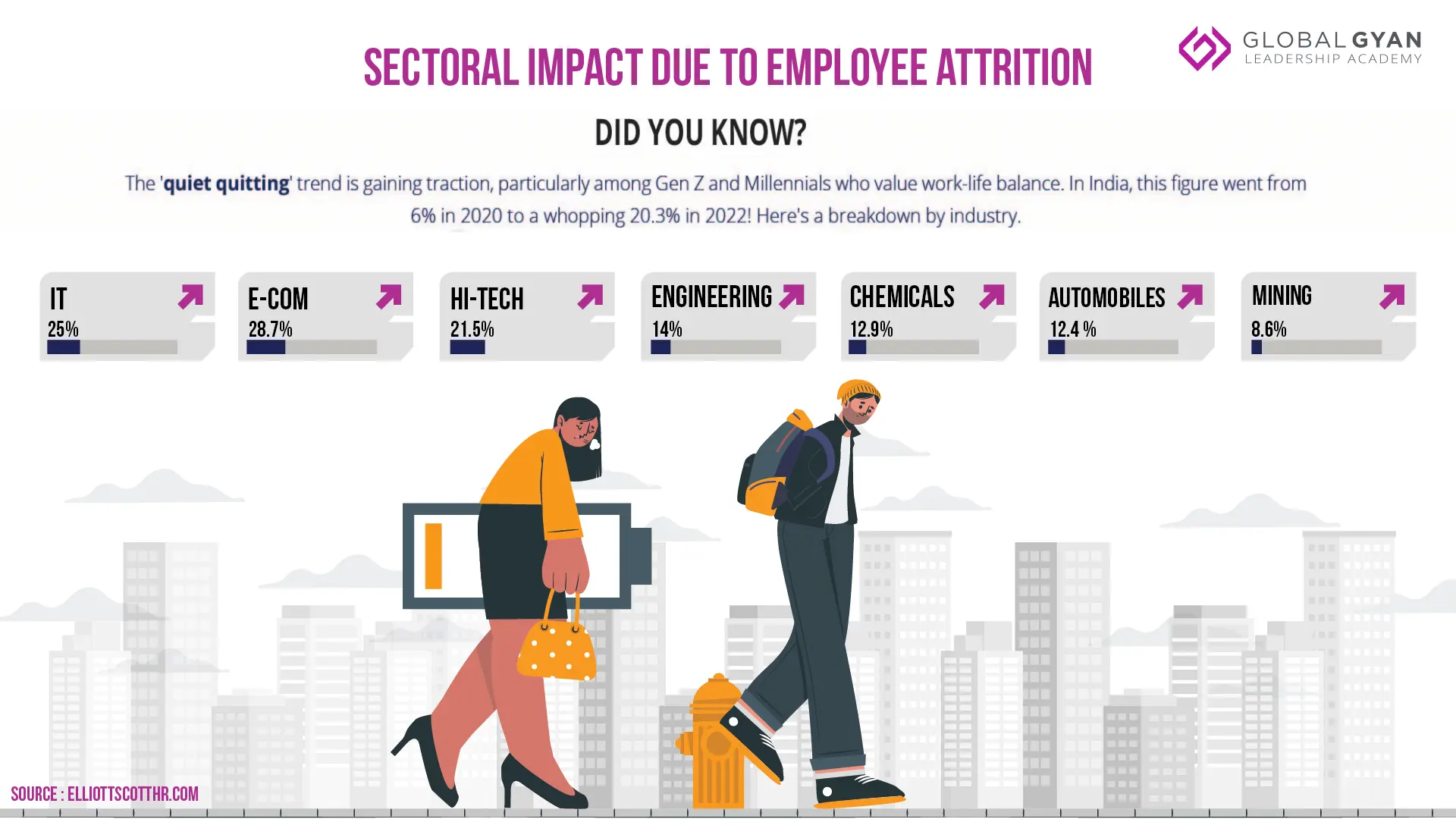
Let’s delve into Pragati’s scenario, a high-performing marketing strategist who departed due to insufficient recognition, limited growth opportunities, and overall disengagement. This echoes a common issue that talented individuals face, emphasizing the financial impact and urgency for organisations to address this concern.
In this article we will cover:
1. Understanding Employee Needs:
In the corporate realm, the departure of high-performing individuals, like Pragati, vividly exemplifies the impact of unmet needs. Her case underscores the importance of understanding individual motivations for career growth, recognition and engagement. Gathering teams to set inclusive goals creates a roadmap aligning employer and employee visions, fostering engagement and success.
2. Cultivating a Positive Work Environment:
Moving forward, Pragati’s departure not only emotionally impacted her team but also highlighted the need for workplaces to be more than battlefields. Companies like Adobe, renowned for their innovative culture, demonstrate the power of a positive work environment. Incorporating breaks, and flexible hours, and fostering a supportive team dynamic can transform an office into a flourishing community, enhancing both productivity and employee satisfaction.
3. Recognition and Feedback:
Feedback is crucial, akin to seasoning in a dish. A striking 77.9% of employees say more recognition boosts productivity. Regular evaluations are vital, but adding constructive criticism for that extra flavour is equally important. Don’t forget the secret ingredient—employee recognition programs. Pragati left because she needed more recognition and constructive feedback. Feedback matters – regular, constructive and with a sprinkle of recognition. It’s what keeps top talents like Pragati feeling valued.
4. Communication is Key:
Shifting gears, in the era of memes and emojis, communication is more than just emails. Maintaining open communication is crucial – consistently sharing updates, both positive and challenging, fosters team unity. Transparency is vital for building trust and a shared sense of belonging. Pragati’s exit demonstrates how vital open communication is; regular updates and initiating conversations could have connected her aspirations with the team’s vision, making the workplace more enjoyable and connected.
5. Employee Involvement and Empowerment:
Letting your team wear the decision-making hat sometimes is not just about being democratic; it’s about making everyone feel like a crucial part of the squad. Pragati’s situation emphasizes the importance of employees feeling acknowledged. Allowing the team to participate in decision-making instils a sense of responsibility. If Pragati had felt more empowered and involved, it might have contributed to her decision to stay.
6. Creating a Competitive Benefits Package:
Money talks, but so do perks! A paycheck is merely the starting point; a competitive benefits package is the key. Ensuring fair pay is essential, and complementing it with offerings such as healthcare, wellness programs, and flexible work arrangements is how you create an irresistible incentive for employees to stay. Pragati’s departure underscores the significance of a competitive benefits package, extending beyond mere compensation to encompass crucial elements like healthcare, wellness, and flexibility. These benefits could have played a pivotal role in persuading Pragati to continue her tenure with our organisation.
To sum it up, it’s about using a mix of strategies: getting to know your team’s needs, fostering a positive workplace, providing growth opportunities, maintaining open communication, empowering them and offering competitive benefits. Pragati’s departure underscores the vital need for organisations to tackle employee turnover. Now, over to you, managers. By doing these things, you attract top talent and ensure their dedication for the long haul. In a nutshell, it’s the key to retaining high-performing employees and creating a thriving workplace.
Frequently Asked Questions (FAQs)
1. Why do top performers leave organisations?
Top performers often leave due to lack of recognition, limited growth opportunities, weak communication, or feeling disengaged and undervalued.
2. What is the biggest challenge in employee retention?
Understanding individual employee needs and consistently addressing them is the biggest challenge for managers.
3. How does recognition impact employee retention?
Regular recognition makes employees feel valued, increases engagement, and significantly reduces the likelihood of attrition.
4. What role does communication play in retaining employees?
Open and transparent communication builds trust and aligns employee aspirations with organisational goals.
5. How can managers empower employees effectively?
By involving employees in decision-making, seeking their input, and giving them ownership of outcomes.
6. Are benefits more important than salary for retention?
While fair pay is essential, benefits like flexibility, wellness programs, and career development often matter just as much.
7. How can organisations reduce the cost of employee turnover?
By investing in engagement, recognition, growth opportunities, and proactive retention strategies.
8. Is employee retention only an HR responsibility?
No. Managers play a critical role in day-to-day engagement and retention of high-performing employees.




 GlobalGyan Leadership Academy