
First-Time Manager Training in India: 5 Enterprise Trends CHROs Cannot Afford to Ignore in 2026

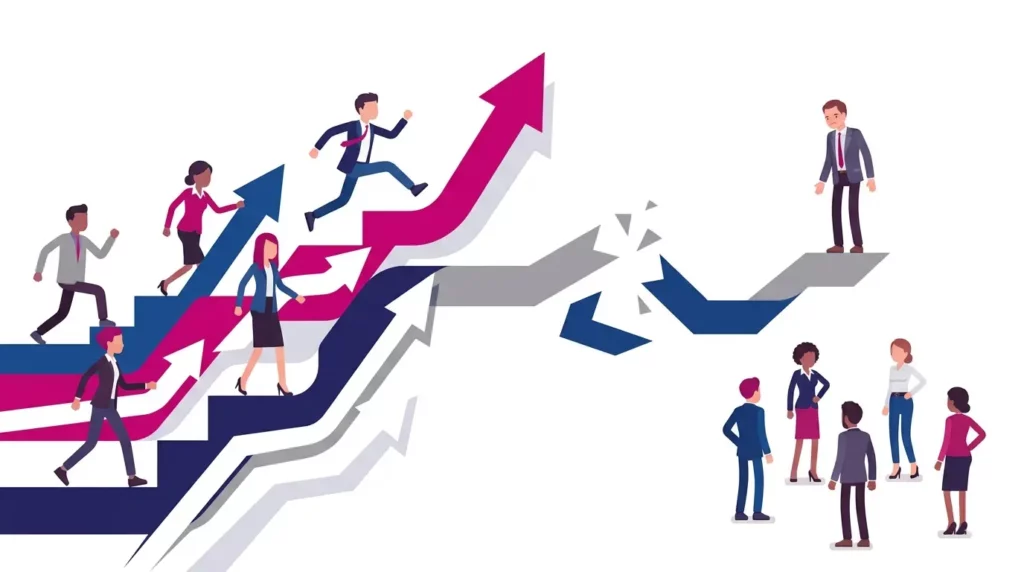
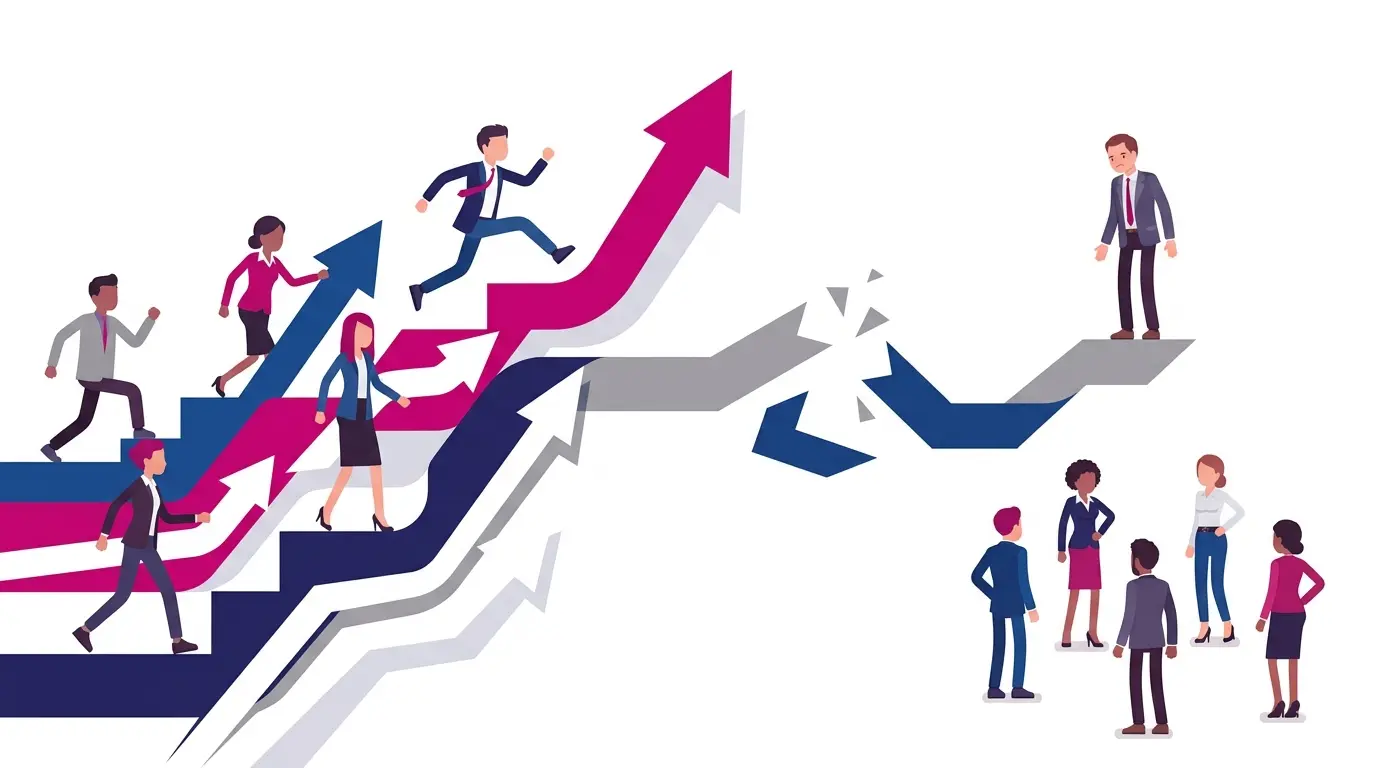
A talented engineer gets promoted. She has the technical credibility. She has the ambition. Within 90 days, her team is quietly disengaged, she is overwhelmed by conversations she never prepared for, and her manager is wondering whether the promotion was premature. This is not an isolated story. It plays out across Indian enterprises every quarter — in tech firms, GCCs, BFSI organisations, and manufacturing conglomerates — at a scale we are only beginning to take seriously.
India’s corporate sector is producing first-time managers faster than it is preparing them. Rapid workforce expansion, compressed promotion timelines, and the rise of Gen Z teams have converged to create a leadership readiness gap that is both urgent and consequential. The problem is not a shortage of talent. It is a shortage of structured, contextual first-time manager training — development built for the Indian enterprise reality, not imported wholesale from global playbooks.
For three consecutive years, leader and manager development has topped the CHRO priority list globally. In India, the urgency is sharper. The following five trends explain why — and what a high-impact response looks like.
Why India’s First-Time Manager Challenge Is Different
The Scale of the Promotion Gap in Indian Enterprises
India’s workforce is young, ambitious, and growing fast. In sectors like technology, financial services, and pharmaceuticals, companies are routinely promoting individual contributors into management within three to five years of joining. The pipeline moves quickly. The preparation, in most cases, does not.
Unlike mature Western markets where management transitions are slower and more sequential, Indian enterprises operate in a high-velocity environment. Attrition creates vacancies. Expansion creates new teams. Business growth demands more people in leadership roles, faster. The result is a growing cohort of managers who are technically capable but structurally unprepared for the people, accountability, and ambiguity dimensions of the role.
What Does “Manager-Ready” Actually Mean in the Indian Enterprise Context?
Being manager-ready means more than being the best performer on the team. It means being equipped for a fundamentally different set of demands: giving feedback, managing performance, navigating conflict, aligning a team to business goals, and leading through ambiguity. As we’ve stated in the past, first-time manager programs are non-negotiable, not because they are a nice-to-have investment, but because the cost of unprepared managers is paid in disengagement, attrition, and lost productivity across entire teams.
TREND 1: The Speed of Growth in GCC, Tech, and BFSI Sectors Is Compressing the Readiness Timeline
India’s GCC ecosystem alone employs nearly 2 million professionals across over 1,800 centres, , each requiring a rapid build-out of local management capacity. In BFSI and technology, the story is similar: aggressive hiring, rapid team formation, and promotion cycles that regularly outpace developmental readiness.
The consequence is predictable. New managers are placed in roles before they have had time to develop the mindset shift the role demands. They manage performance with the habits of an individual contributor. They avoid difficult conversations. They either micromanage or abdicate — neither of which serves the team.
How Are Indian L&D Teams Responding with Structured Transition Programs?
The more progressive organisations are not waiting for managers to struggle before intervening. They are designing structured onboarding journeys for newly promoted managers — moving beyond orientation checklists to programs that address the cognitive, relational, and behavioural dimensions of the transition. The emphasis is on applied learning: role-plays, case discussions, peer cohorts, and real-world application between sessions.
The Identity Shift Problem Is Finally Being Recognised
Why Technical Excellence Does Not Equal Managerial Capability
The hardest part of becoming a first-time manager is not learning new skills. It is unlearning old ones. For years, success meant being the person with answers — the expert, the high performer, the individual contributor everyone turned to. Suddenly, success means something different: developing others, delegating effectively, creating clarity for the team, and holding accountability without micromanaging.
This identity shift is one of the most under-addressed dimensions of management development. As one perspective puts it, we may still be building tomorrow’s leaders with yesterday’s playbook — relying on intuition, seniority, and experience rather than structured, intentional development.
How Does an Effective First-Time Manager Training Program Address the Identity Transition?
Effective programs do not just teach tools and frameworks. They create the conditions for a genuine shift in how a person sees their role. This means structured reflection, candid coaching conversations, and peer learning environments where new managers can process the tensions of the role — between loyalty to their team and accountability to business outcomes, between being liked and being effective. The identity transition cannot be rushed. But it can be guided.
Gen Z Teams Are Rewriting the Management Playbook
New Managers Are Inheriting Teams with Fundamentally Different Expectations
By 2025, Gen Z accounts for nearly 27% of India’s workforce — and that proportion is rising. Research consistently shows that this cohort expects frequent, real-time feedback, transparency about decisions, and a clear sense of purpose in their work. Annual performance reviews feel archaic to them. Hierarchy for its own sake is not accepted. They will leave for culture or cause.
For first-time managers — many of whom are only a few years older than the people they lead — this is a disorienting reality. The management style they observed in their own formative years, characterised by deference, hierarchy, and limited feedback, is precisely the style that their Gen Z reports will disengage from.
What Do New Managers in India Need to Learn About Leading a Purpose-Driven, Feedback-Hungry Workforce?
They need to understand that how to handle employee performance issues as a new manager has changed in texture and tone. Gen Z employees want honest conversations — not once a year, but routinely. They want to know how they are doing, what they are growing toward, and whether their contribution matters. First-time manager training must equip managers with the conversational skills and psychological confidence to lead in this way — even when it feels uncomfortable.
CHROs Are Demanding Measurable Business Impact, Not Just Learning Hours
Why Completion Rates and Feedback Scores Are No Longer Enough
The measurement conversation in L&D has matured significantly. A 2025 SHRM survey found that over half of CHROs identify leadership and manager development as a top priority — but priorities require justification. Board-level conversations increasingly ask for the business case, not the learning design.
Completion rates and post-program satisfaction scores — the traditional metrics of L&D — are no longer sufficient. CHROs want to see whether managers who went through a program are actually performing differently six months later. Are attrition rates lower in their teams? Are performance conversations happening more consistently? Is there evidence of improved team engagement?
What Does a High-Impact First-Time Manager Program Look Like?
It is contextual — designed around the organisation’s specific challenges, culture, and business context, not lifted from a generic curriculum. It is applied — with structured application tasks between sessions that embed new behaviours into daily practice. It is measured — with defined indicators agreed upon upfront with the business, not retrofitted after delivery. And it is sustained — because capability does not build in a single workshop.
Structured, Multi-Season Programs Are Replacing One-Off Workshops
The Shift from Training Events to Developmental Journeys in Indian Enterprises
Perhaps the most significant shift in how mature Indian organisations approach first-time manager training is the move from episodic workshops to structured, multi-season developmental journeys. A two-day workshop can build awareness. It cannot build a manager.
Sustainable capability development requires revisiting, reinforcing, and applying learning over time. The cohort model — where managers go through a journey together, building relationships and accountability structures along the way — has proven particularly effective. GlobalGyan’s Manager Development Program is designed precisely around this philosophy: structured learning that unfolds across seasons, not a single intervention.
Building Capability Over Multiple Seasons: Evidence from the Field
A leading agribusiness enterprise engaged GlobalGyan over four seasons of first-time manager development — a sustained journey that moved new managers through progressively deeper dimensions of the role, from team management and communication to accountability, influence, and strategic thinking. The multi-season format allowed the organisation to reinforce learning between cohorts, apply insights to real business challenges, and build a growing community of developed managers across the enterprise.
Similarly, a leading industrial solutions provider deployed a structured first-time manager program to equip newly promoted managers with the foundational people skills the transition demands — building confidence, clarity, and the early habits of effective leadership. What both engagements share is a recognition that the window between promotion and performance cannot be left to chance.
What This Means for Organisations Building Their Leadership Pipeline
The five trends above are not isolated signals. They are converging pressures that make structured first-time manager training one of the highest-leverage investments an Indian enterprise can make right now. The pace of promotion in high-growth sectors, the identity shift demands of the role, the expectations of a Gen Z workforce, the accountability for measurable outcomes, and the evidence for sustained developmental journeys — all point in the same direction.
First-time managers sit at the most consequential point of the leadership pipeline. They are closest to the largest portion of your workforce. The quality of their management determines the quality of daily work for thousands of employees. Done well, their development compounds over years into a robust, self-renewing pipeline of leadership capability.
Done poorly — or not at all — the cost is silent but significant: disengaged teams, preventable attrition, and individual contributors promoted into roles they were never truly prepared for.
If your organisation is ready to build a first-time manager program that is contextual, applied, and structured for measurable business impact, explore GlobalGyan’s First-Time Manager Program — designed specifically for the Indian enterprise context.
The managers you develop today are the leadership pipeline of tomorrow. That pipeline does not build itself.




 GlobalGyan Leadership Academy
Responses