
First Time Manager Program @ Leading Industrial Solutions Provider


Client
Context
The transition from individual contributor to people manager is one of the most challenging career pivots professionals face, yet organizations often promote high performers into management roles with minimal preparation. Newly appointed managers struggle with identity shifts—they must stop being the expert who solves every problem and become the leader who develops others to solve problems. Without structured support, many first-time managers flounder, relying on outdated command-and-control approaches or avoiding difficult leadership conversations altogether, leading to team dysfunction and personal burnout.
A leading industrial solutions provider recognized this critical gap and sought to transform how they prepared new managers for leadership responsibilities. The organization needed their newly appointed managers to develop confident leadership mindsets, essential people skills, and business acumen that would enable them to succeed from day one rather than learning through costly trial and error.
Client
Objective
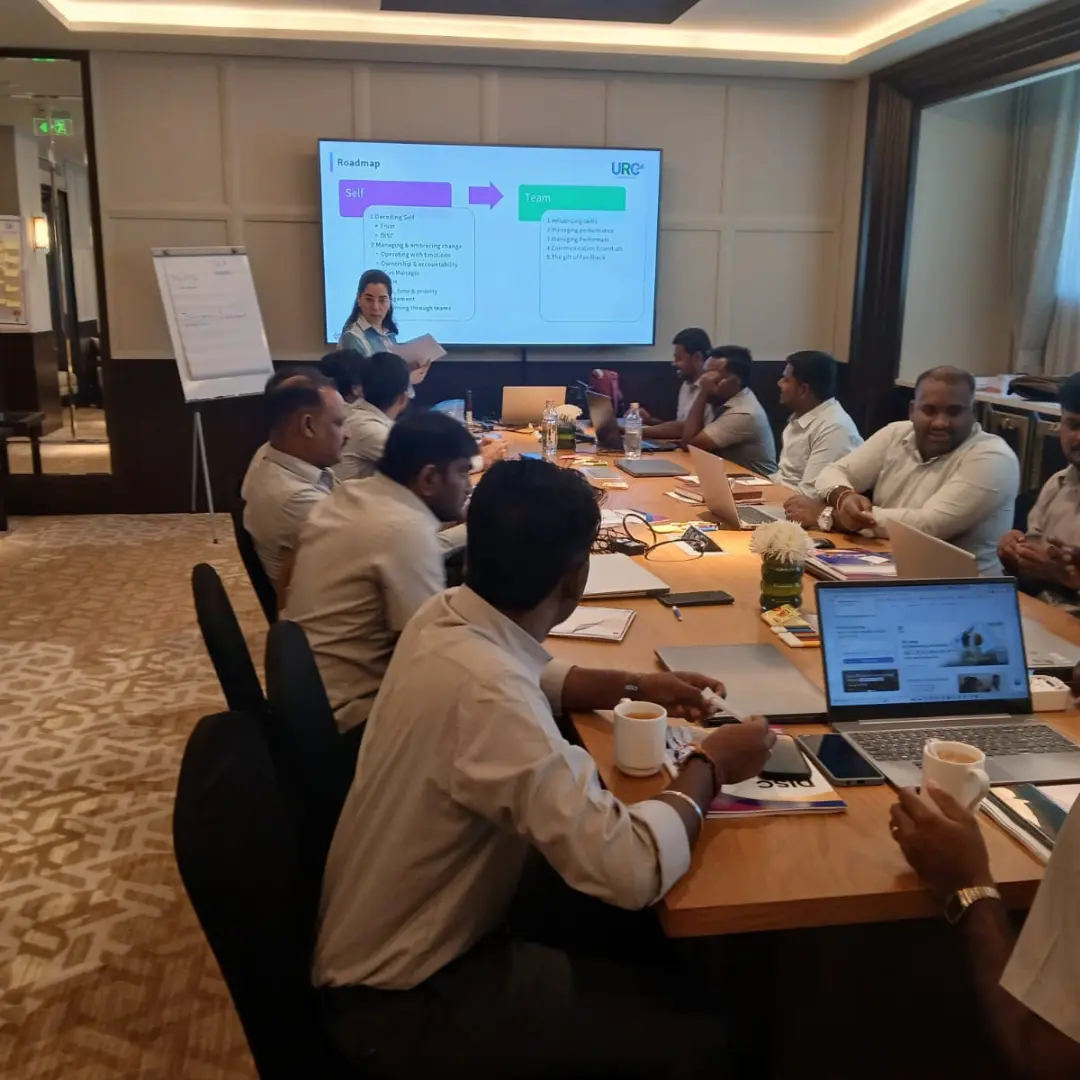
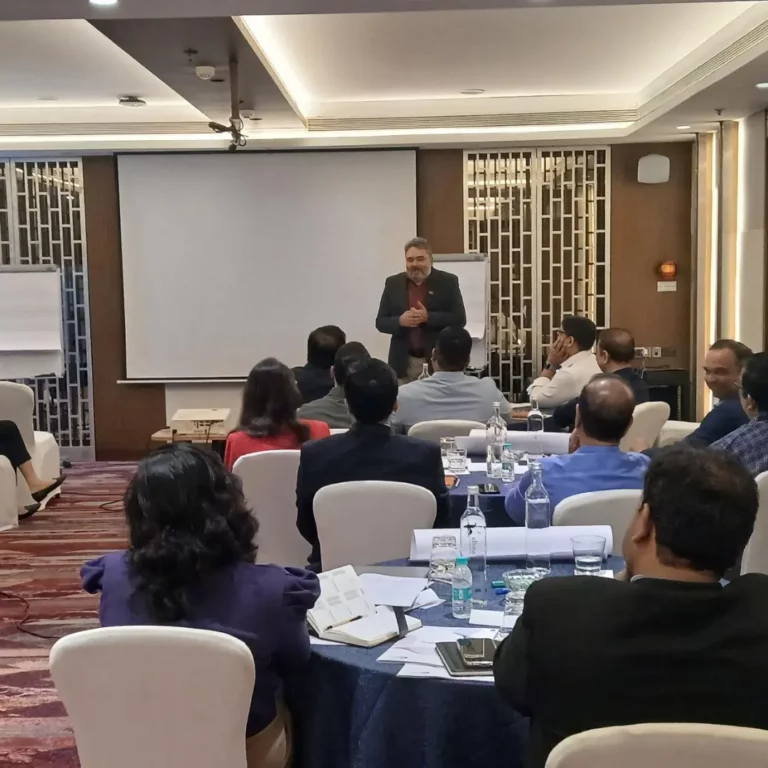
The organization’s objective was to create a comprehensive, practical development experience that would equip 15 newly appointed managers with the capabilities to lead themselves effectively, build and manage high-performing teams, and contribute meaningfully to business outcomes. They needed a program that went beyond generic management theory to address the real challenges first-time managers face—shifting from doing the work to leading others who do the work, having difficult conversations about performance, delegating effectively without micromanaging, and thinking critically about business problems. The solution had to build both confidence and competence while creating a peer support network that would sustain these new leaders beyond the formal program.
Program Design
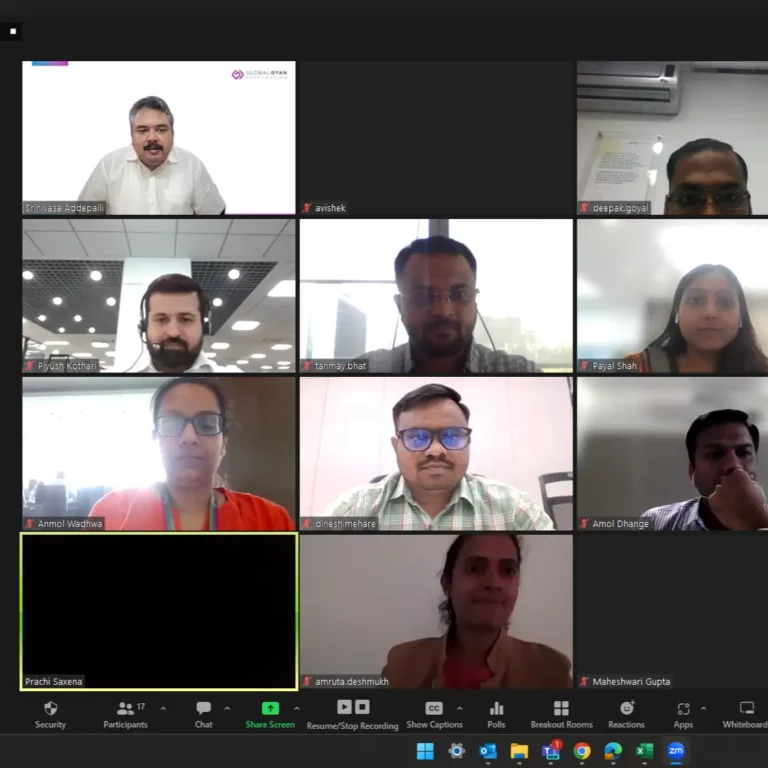
- Pre-Work Preparation: Assigned readings and reflection exercises that prepared participants for deeper engagement during the workshop, helping them arrive with clarity about their development needs and leadership challenges.
- Learning Application Tracker: Structured tools for participants to plan and track application of new skills in their actual work context, ensuring concepts translated into behavioral change.
- Weekly Learning Nudges: Post-program reinforcement through targeted reminders and micro-learning content delivered weekly, sustaining momentum and encouraging continued application of workshop learnings.
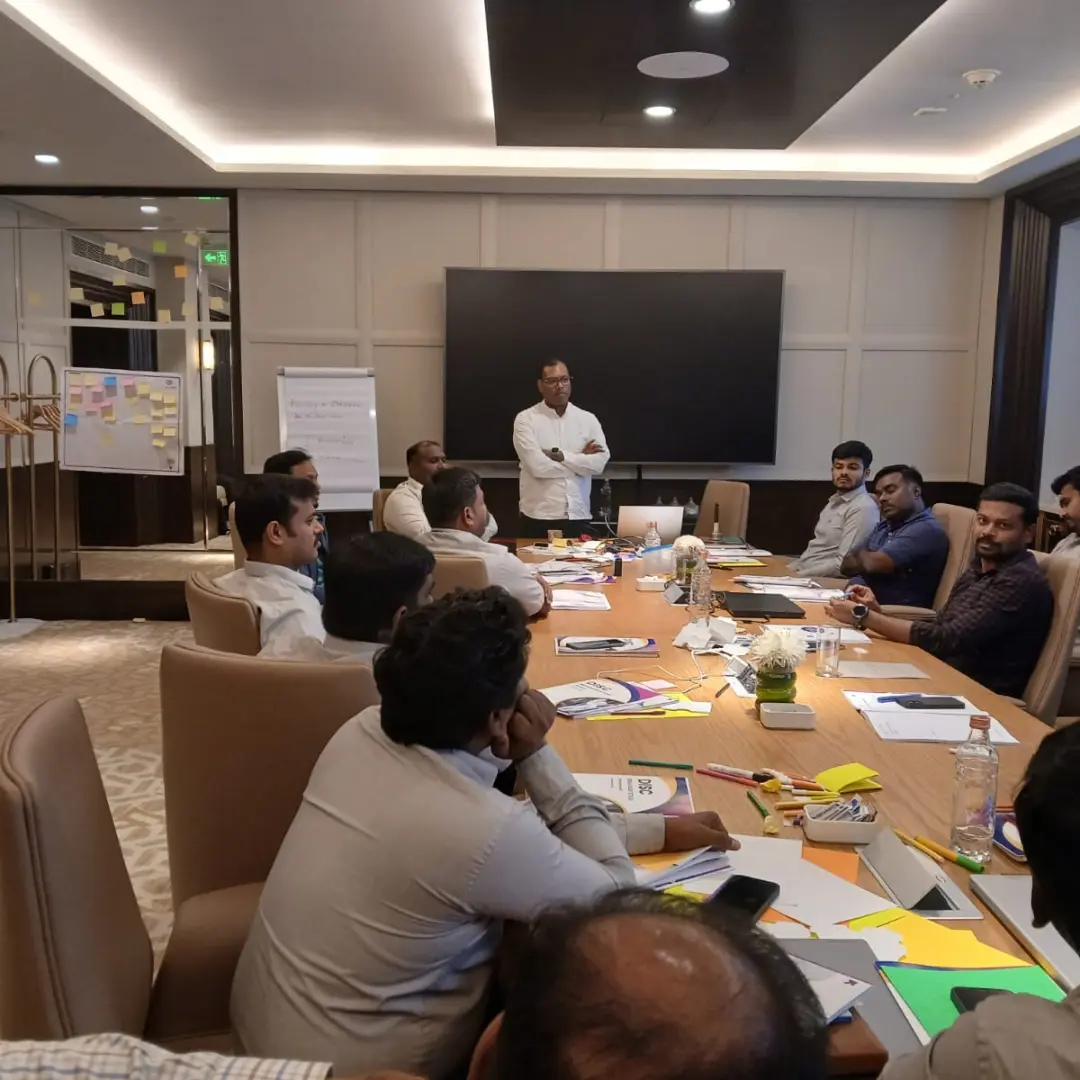
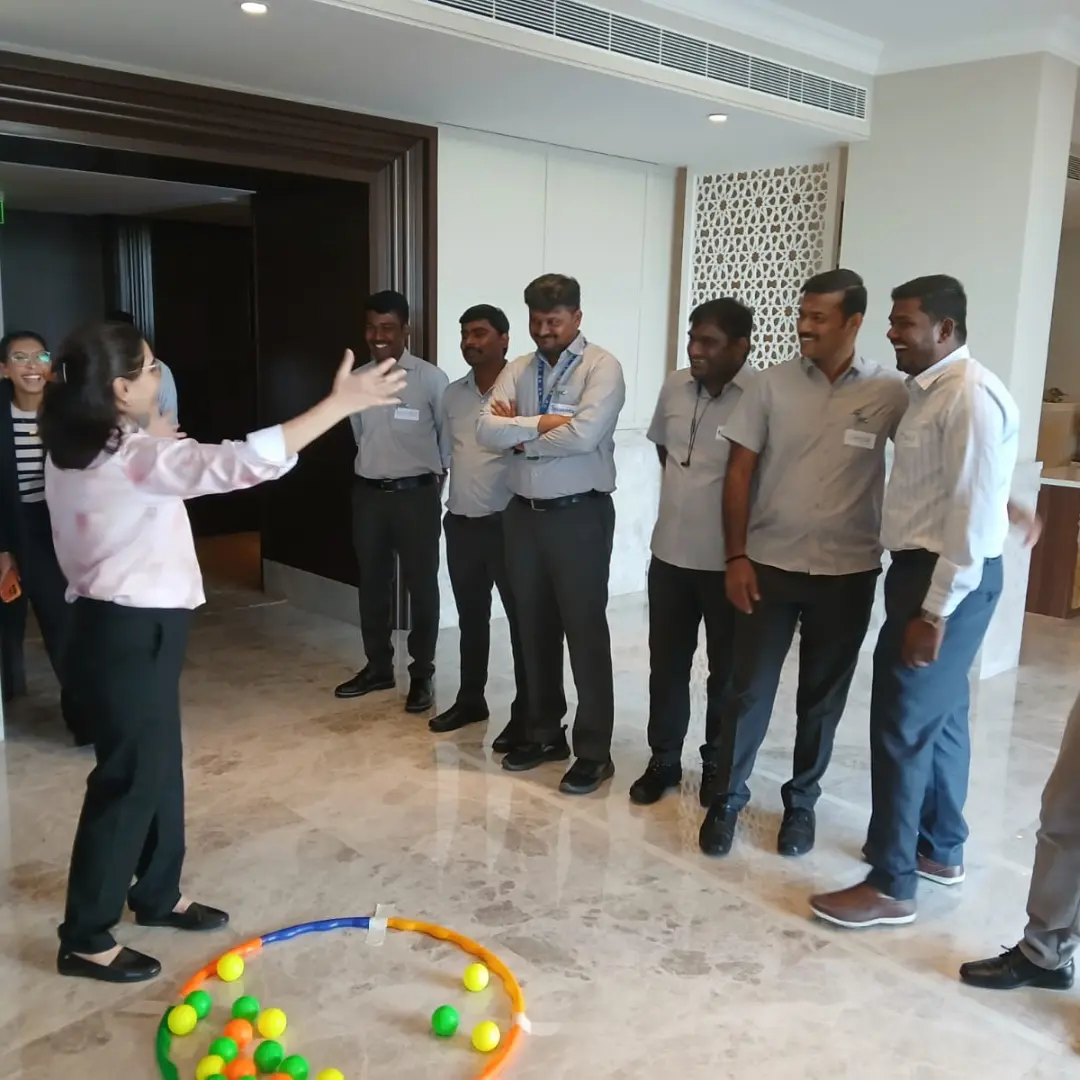
- Peer Learning Architecture: Intentional design of discussion groups and reflection sessions that built strong peer relationships, creating support networks that would continue long after the formal program ended.
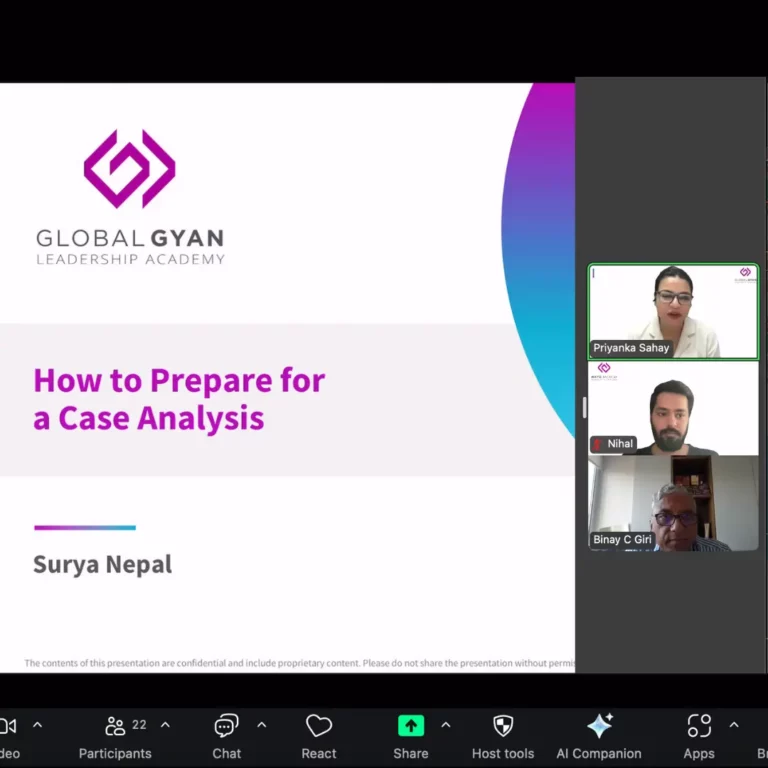
- Optional Virtual Check-Ins: Follow-up sessions allowing participants to share progress, troubleshoot challenges, and receive additional coaching as they applied new leadership approaches in real work situations.
- Recap and Reflection Sessions: Structured opportunities to consolidate learning, share success stories and challenges, and commit to ongoing leadership development beyond the initial workshop experience.
Key Themes Covered
1. Leading Self
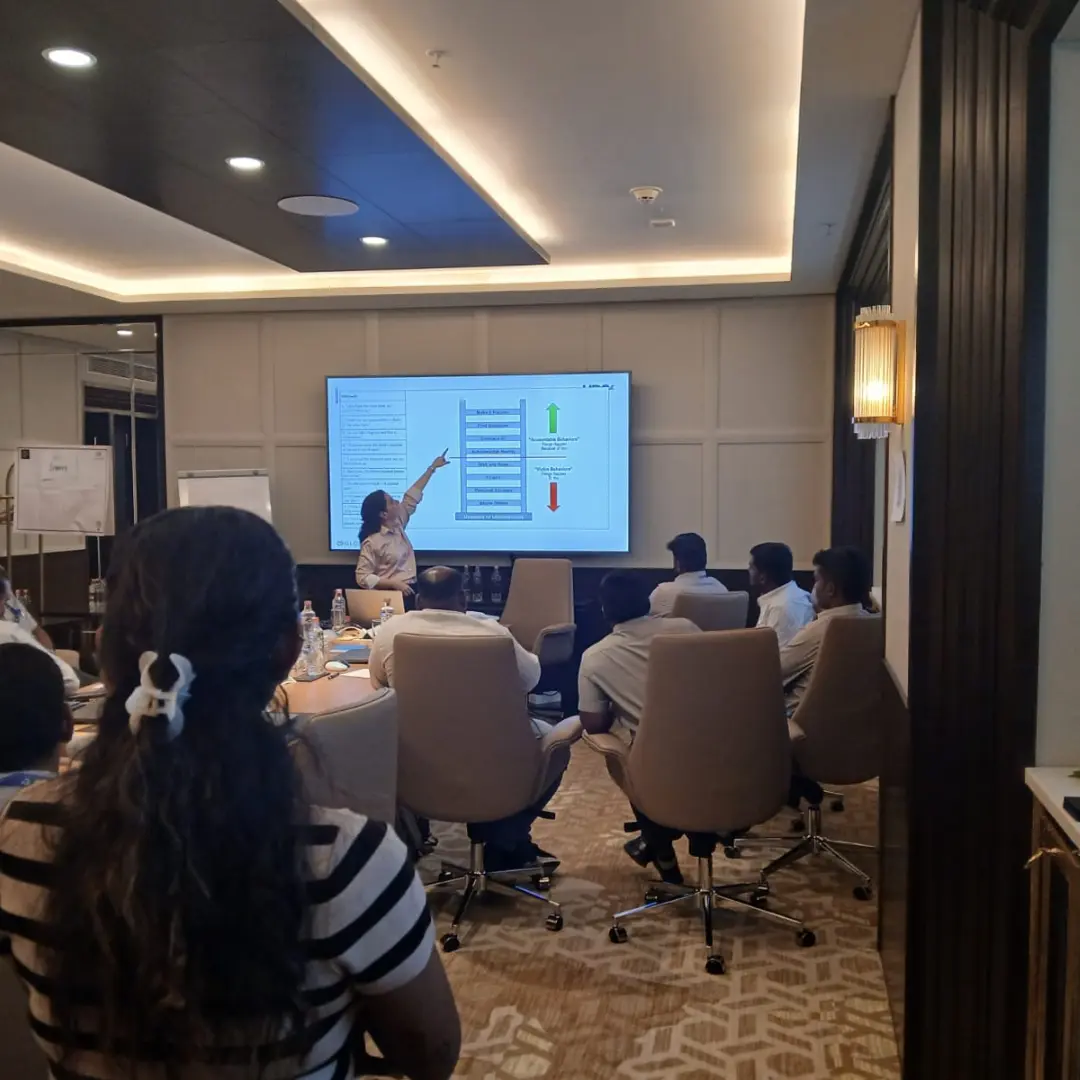
Participants developed fundamental self-awareness and emotional intelligence essential for effective leadership, learning to understand their new managerial role and the identity shift required. The focus was on transitioning from individual contributor mindset—where success meant personal achievement—to leadership mindset where success meant team achievement. Leaders also learned to build cultures of ownership within their teams, moving beyond task delegation to genuine empowerment.
2. Leading Others
The program equipped new managers with essential people leadership capabilities including goal setting frameworks, effective feedback delivery techniques, and delegation approaches that developed team capability rather than creating dependency. Participants mastered time management strategies that balanced their own priorities with team needs, learned to communicate with confidence in challenging situations, and developed techniques for influencing outcomes without relying solely on positional authority—critical for leading in matrix organizations.
3. Leading the Business
Beyond people skills, first-time managers developed critical thinking capabilities and structured problem-solving approaches that enabled better business decisions. This theme helped participants understand how their team’s work connected to broader organizational strategy, teaching them to think beyond operational execution to strategic contribution and business impact.
Looking to build a customized leadership journey? We're here to help!
- Tailored Corporate Leadership Programs
- Outcome-Oriented Learning
- Gamified Assessments & Experiential Engagements
 GlobalGyan Leadership Academy