
Strategic Roadmap Development @ Indian Pharma Company

Client
Context
Pharmaceutical brands don’t become blockbusters by accident—they require deliberate strategic choices, cross-functional alignment, and disciplined execution over multiple years. When a leading Indian pharmaceutical company set its sights on transforming one of its specialty brands into a ₹1000 Cr franchise by 2030, they recognized that ambition alone wouldn’t suffice. The challenge was multifaceted: identifying viable new therapeutic indications, building omnichannel engagement capabilities in an evolving healthcare landscape, crafting compelling brand narratives that resonated with physicians, and most critically, aligning senior leaders across functions around a unified growth strategy.
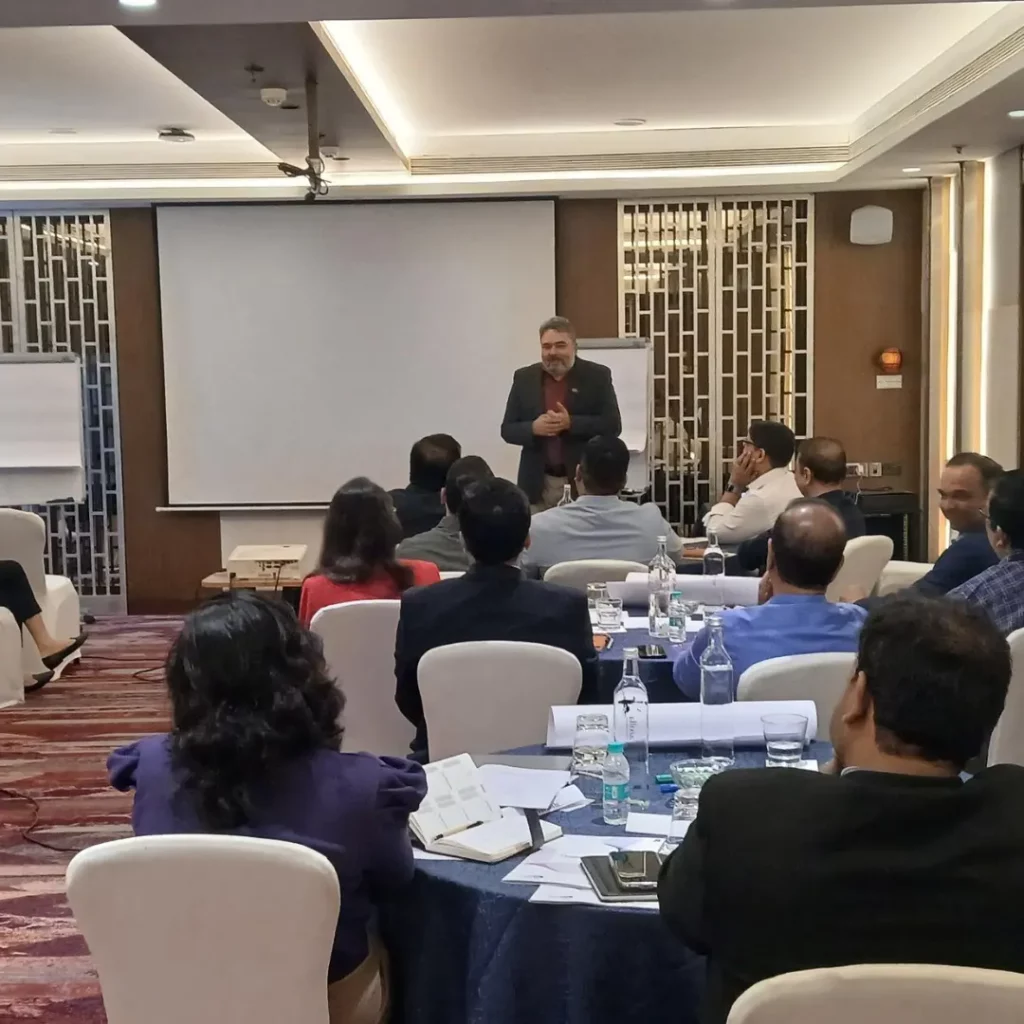
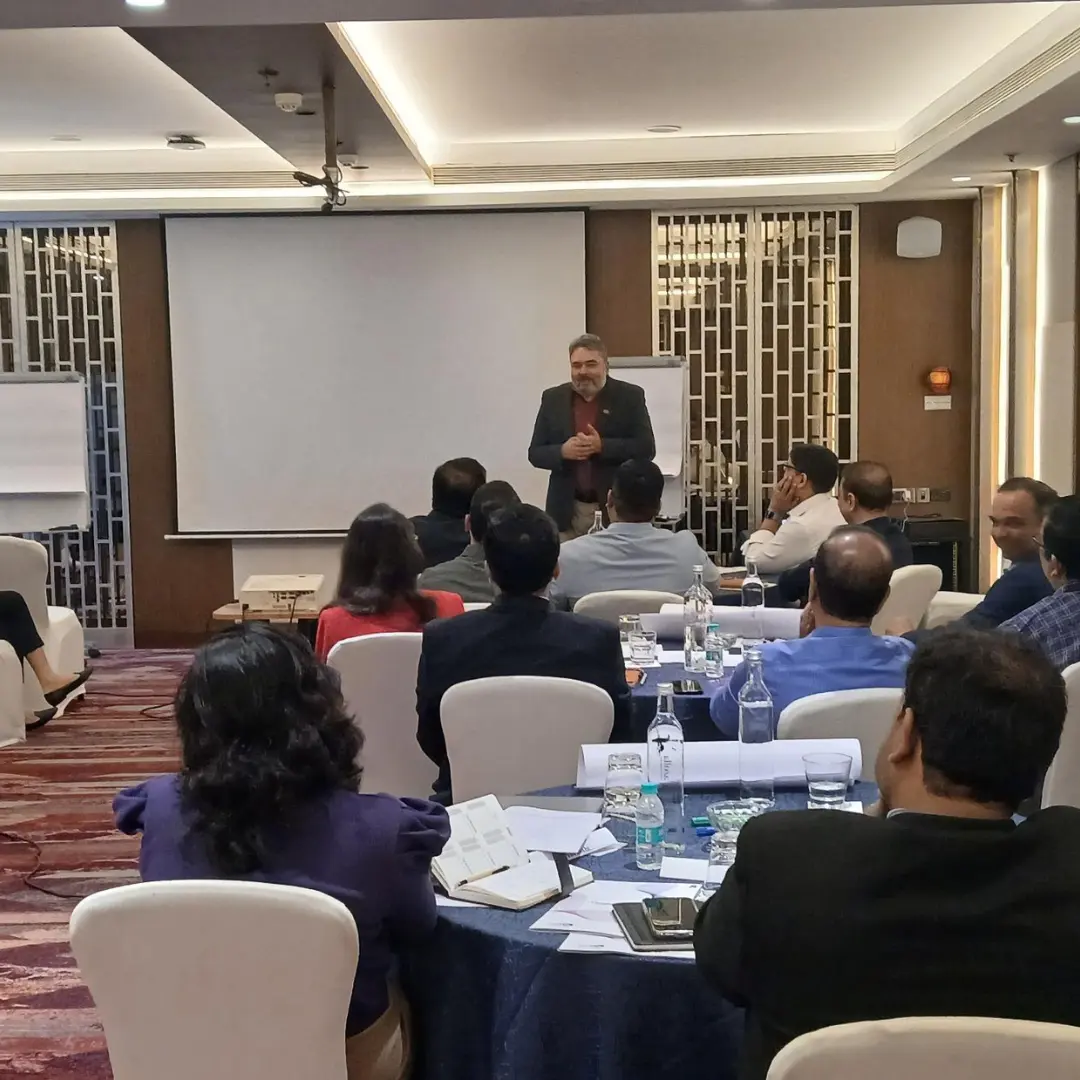
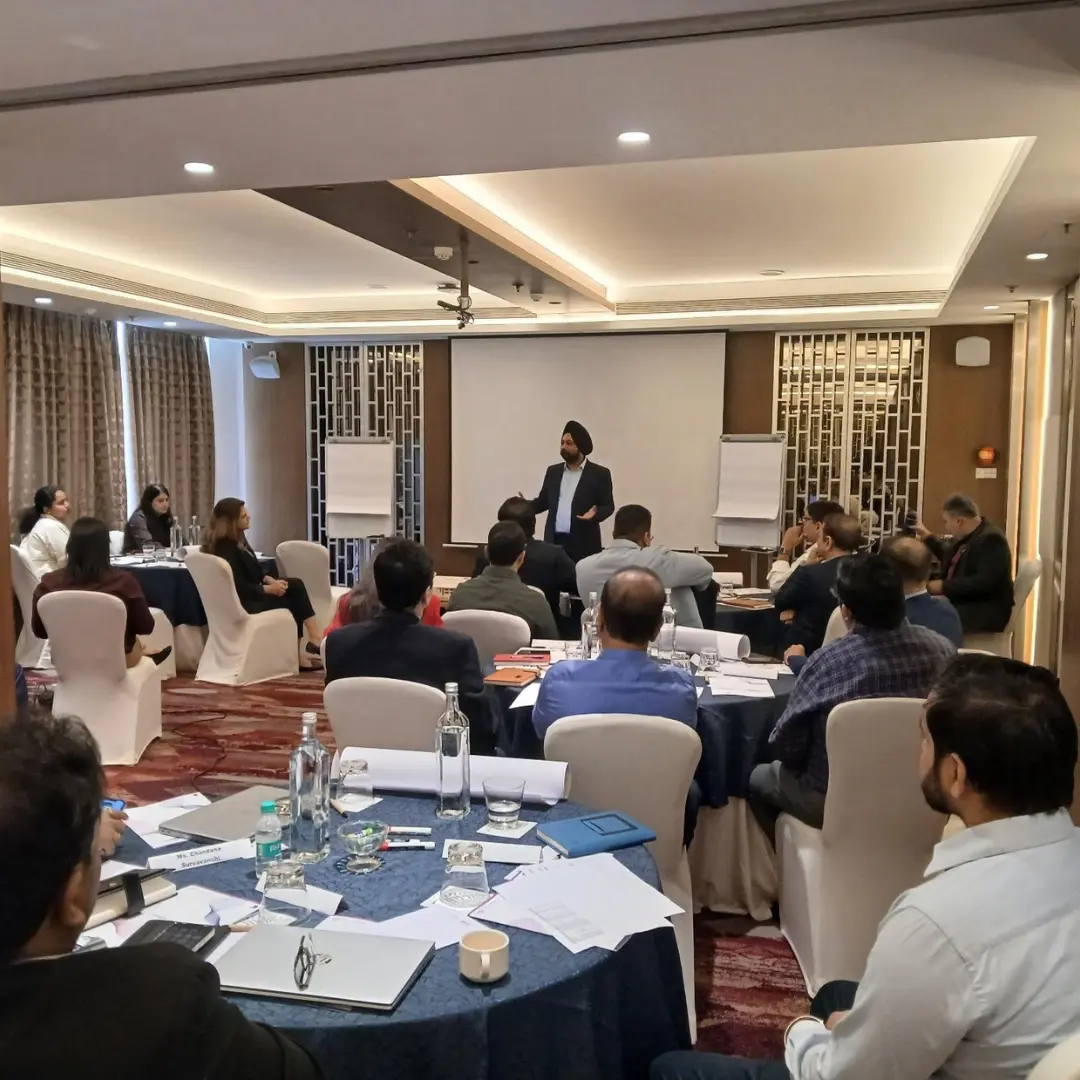
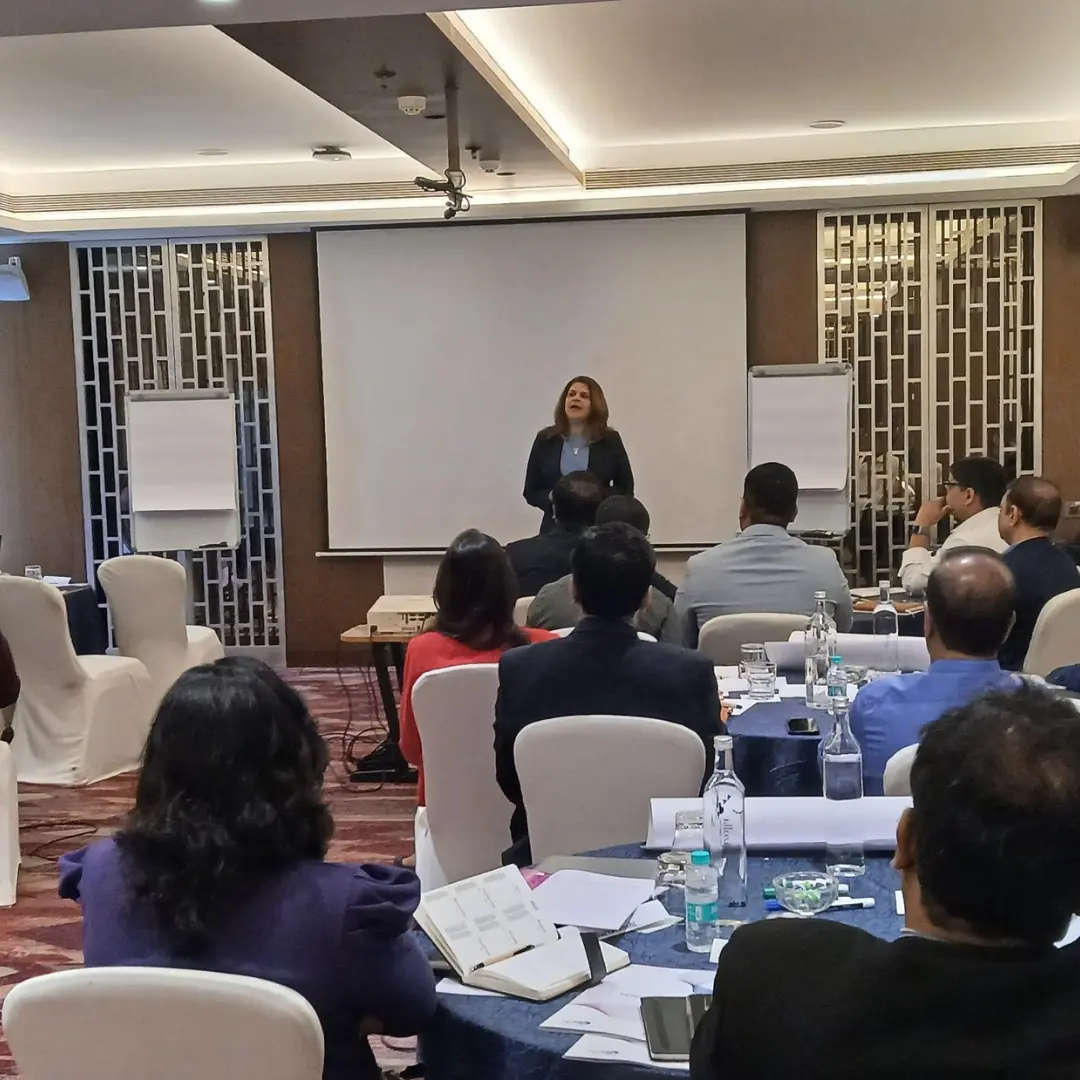
The organization needed more than a consultant-driven strategic plan—they needed their own leadership team to co-create the roadmap, debate the tough choices, understand the trade-offs, and emerge with genuine collective ownership of the ambitious five-year journey ahead. This required bringing together 27 senior leaders from medical affairs, marketing, sales, regulatory, and commercial operations for intensive strategic work.
Client
Objective
The organization’s objective was to align senior leaders across functions and business units on a cohesive 5-year strategy that would scale their specialty brand into a ₹1000 Cr franchise by FY30. This required identifying and prioritizing the key growth levers—including potential new therapeutic indications, omnichannel engagement approaches, and brand storytelling frameworks—while building genuine cross-functional commitment. The goal wasn’t just to create a strategic document but to secure collective ownership of the execution roadmap, ensuring that every function understood their role in achieving the ambitious growth target and felt invested in making it happen.
Program Design
- Pre-Work and Business Analysis: Participants received comprehensive analysis of current brand performance, market dynamics, and competitive landscape, ensuring they arrived prepared for strategic discussions with shared understanding of the starting point.
- Competitive Role-Play Simulation: Interactive exercise where participants simulated competing for physician mindshare, experiencing market dynamics firsthand and surfacing insights about differentiation, messaging, and competitive positioning that informed strategic choices.
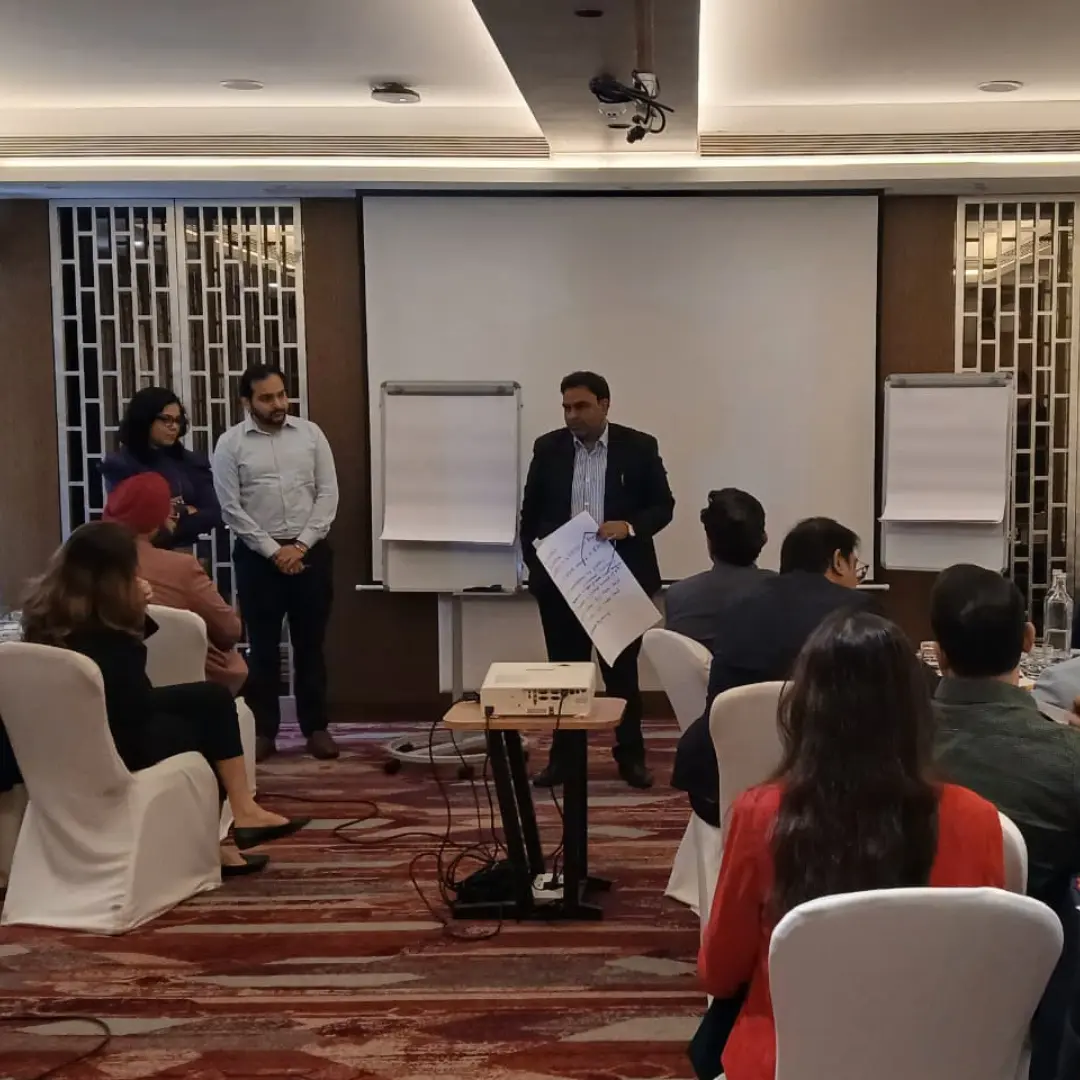
- Structured Breakout Discussions: Cross-functional teams worked through specific strategic questions in facilitated breakouts, ensuring diverse perspectives shaped brand priorities while moving efficiently toward actionable conclusions.
- Live Co-Creation Sessions: Real-time collaborative development of the FY26–FY30 growth roadmap with all participants contributing, debating trade-offs, and building the strategic framework together rather than receiving a consultant-developed plan.
- Commitment Harvesting: Explicit process for securing functional commitments and leadership ownership of specific roadmap elements, ensuring accountability and clear responsibility for execution beyond the workshop.
- Blended Facilitation Approach: Strategic combination of structured frameworks and exercises with unstructured exploration time, sparking fresh thinking and creative solutions while maintaining focus on business feasibility and practical implementation.
- Fast-Paced Immersive Format: Intensive one-day schedule that maintained high energy and engagement, using time pressure productively to drive decision-making while avoiding the analysis paralysis that often plagues strategic planning processes.
Key Themes Covered
1. Strategic Visioning and Ambition Setting
Participants developed the FY30 vision for the specialty brand, crafting compelling “future headlines” that brought the ₹1000 Cr ambition to life. This wasn’t just financial target-setting but imagining what the brand would be known for, how physicians would perceive it, and what patient impact it would achieve—creating emotional connection to the strategic goal.
2. Competitive Market Dynamics
Through intensive role-play exercises, leaders experienced the competitive battle for physician mindshare firsthand, gaining visceral understanding of market pressures, competitor positioning, and the physician decision-making journey. This experiential approach surfaced strategic insights that traditional market analysis often misses.
3. Brand Value Proposition and Narrative
The team developed compelling brand storytelling frameworks including elevator pitches that captured the essence of differentiation. The focus was on translating clinical evidence and product features into narratives that resonated emotionally with physicians while maintaining scientific credibility.
4. Strategic Growth Levers and Capabilities
Participants identified and prioritized the critical enablers for achieving growth targets—including omnichannel engagement strategies, organizational capability gaps requiring investment, and potential new therapeutic indications that could expand addressable markets. This required honest assessment of current capabilities and willingness to invest in building new ones.
5. Multi-Year Roadmap Architecture
Leaders collaboratively designed the FY26–FY30 roadmap with clear milestones, sequencing decisions, and resource allocation priorities. This moved beyond high-level strategy to practical execution planning that considered interdependencies, risks, and critical path activities across the five-year journey.
6. Cross-Functional Commitment and Ownership
The workshop concluded with explicit leadership commitments and functional priorities, ensuring every participant left with clarity about their role in executing the strategy. This created accountability mechanisms and shared ownership that would sustain momentum beyond the one-day session.
Looking to build a customized leadership journey? We're here to help!
- Tailored Corporate Leadership Programs
- Outcome-Oriented Learning
- Gamified Assessments & Experiential Engagements
 GlobalGyan Leadership Academy