
Why Managerial Hiring is Broken


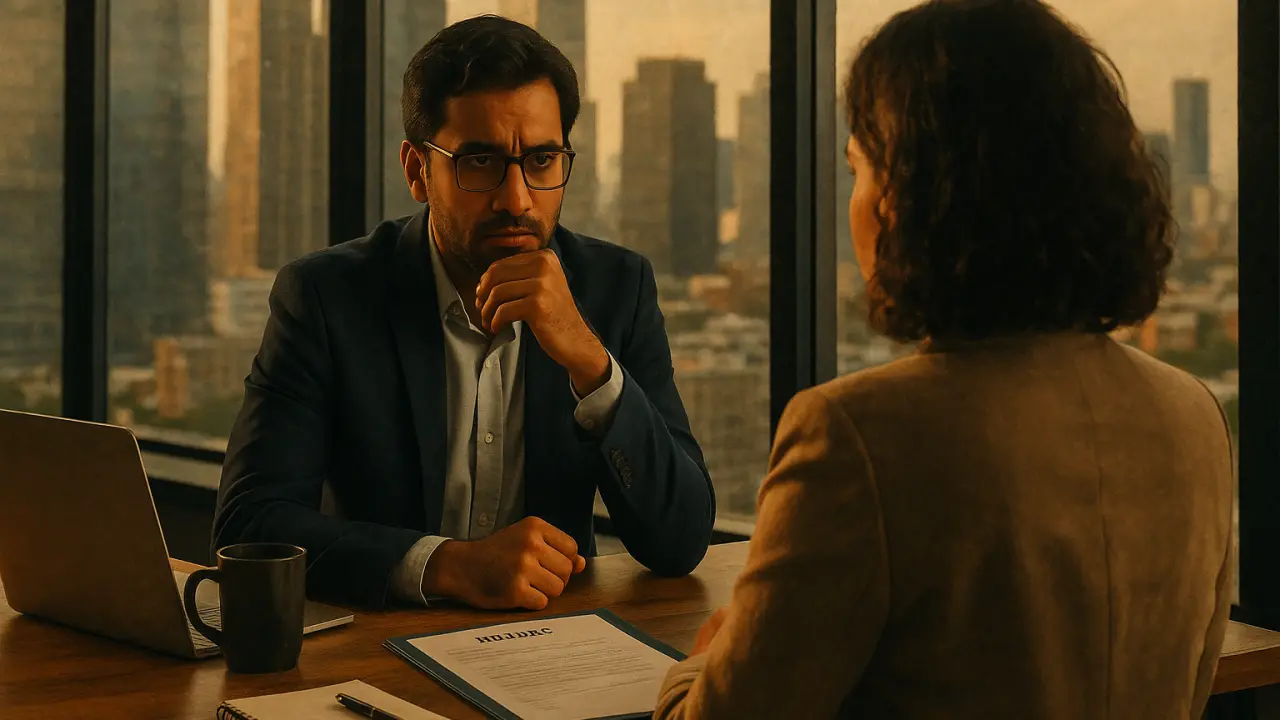
A manager once told me about how he hired his deputy in under 30 minutes. The candidate spoke well, had worked at a “known” brand, and carried himself with confidence. “I just knew he was right,” the manager said. Six months later, the same hire was quietly moved out; he hadn’t fit the culture, hadn’t delivered on expectations, and left behind a demotivated team. The manager shrugged it off as bad luck. But was it? Or was it the predictable outcome of hiring by vibe and résumé?
Of all the decisions managers make, hiring is the most important. And yet, it’s also the most broken.
Think about it. As leaders, we don’t really do the work ourselves. We get work done through others, and those others are the managers we choose to bring into our teams. The quality of their hiring, their leadership, their ability to build teams, that’s what determines whether excellent work gets done or not.
And yet, this decision is usually made in the most casual, irrational way.
Gut over Judgment
In India, most managerial hiring is still emotional. We size up a candidate by how they speak, what vibe they give off, or whether they look the part. Sometimes our gut takes over: “she went to my college,” “he’s worked at a good company,” “her grades are strong.” None of these are bad cues in themselves, but they are lazy proxies for actual competence and fit.
Outsourced Ownership
To make things worse, many managers aren’t even fully involved in hiring. HR or a recruitment agency drafts the JD, screens resumes, and pushes a shortlist onto the hiring manager’s desk. With urgency pressing (“we need someone yesterday”), the manager picks the best among what’s available. Gut and emotion creep back in, because the process has already stripped away genuine ownership.
The Missed Pipeline: Academia and Internships
One of the biggest casualties of managers not taking hiring seriously is the broken connection with academia. In most corporates, engagement with campuses, internships, and early talent programs are treated as “HR activities.” Managers show up for a day of interviews on campus, complain about the shortlist, and leave.
Contrast this with what could happen if managers saw this as a business activity. Imagine managers investing time in shaping internship projects, mentoring students, building visibility in colleges, and creating real-world learning opportunities. This is how you build a long-term talent pipeline. Instead, most managers ignore this responsibility. As I wrote recently on X, hiring laziness means we lean on proxies like college brands and internship logos, rather than truly evaluating or developing skills. It’s a vicious cycle: students don’t get meaningful exposure, companies don’t get the right talent, and managers are left with shallow options.
What Entrepreneurs Get Right
Entrepreneurs don’t have the luxury of outsourcing. They hire directly, through references, networks, cultural fit, and a strong sales pitch for why someone should join them. They negotiate, they persuade, they invest the time. And because their skin is in the game, they own both the mistakes and the successes.
Why do we forget this when we move into corporates? If you have 10-12 direct reports, you might replace a fraction of your team annually, so maybe you directly hire three or four people a year. Is that really too much to invest time in, given how much hinges on these decisions?
The Missing Skill
The truth is, most managers are never taught how to hire. We’re promoted into leadership roles, but nobody trains us on interviewing, evaluating, or building hiring pipelines. We’re left to improvise. Yet hiring is a skill, one that can be learned, practiced, and refined. It’s also a responsibility. Managers should be building networks on LinkedIn, observing talent in the ecosystem, and quietly nurturing relationships with future hires.
A Radical Shift
Here’s the mindset shift I want to propose:
Managers own hiring. HR (and AI) can support with process, paperwork, and compliance, but accountability must sit squarely with the hiring manager.
Skin in the game. Every hire reflects on you as a leader. If they succeed, you succeed. If they fail, it’s on you.
Time invested is non-negotiable. Hiring is not an administrative chore; it is the work of leadership.
If we can get this right, we stop treating hiring as a transaction and start treating it as the foundation of performance. Because in the end, most teams don’t fail for lack of strategy. They fail for lack of the right people.





 GlobalGyan Leadership Academy
Responses