
Strategic Thinking & Category Management @ Jewellery Brand

Client
Context
In a rapidly shifting consumer landscape, category leadership in the jewellery business demands far more than product expertise and sales performance management. It requires the ability to read macro forces reshaping customer behavior before they become visible disruptions, make deliberate strategic choices about where to compete and how to differentiate, and manage complex category portfolios with both analytical rigor and creative judgment. For jewellery brands navigating the intersection of tradition and transformation—where products carry deep emotional and cultural meaning yet face mounting competitive pressure from alternative assets, evolving social signalling, and changing lifestyle preferences—these strategic capabilities become existential imperatives rather than nice-to-have leadership qualities.
A leading jewellery and lifestyle brand recognized this strategic capability gap among its senior category leaders. While participants brought deep product knowledge and strong commercial instincts, the organization needed them to sharpen their outside-in thinking, apply structured frameworks to competitive and portfolio decisions, and develop sharper value propositions grounded in genuine customer insight. With market volatility increasing and competitive dynamics intensifying across the jewellery category, the timing was critical—leaders needed to move from reactive performance management to proactive strategic leadership capable of shaping category outcomes rather than simply responding to them.
Client
Objective
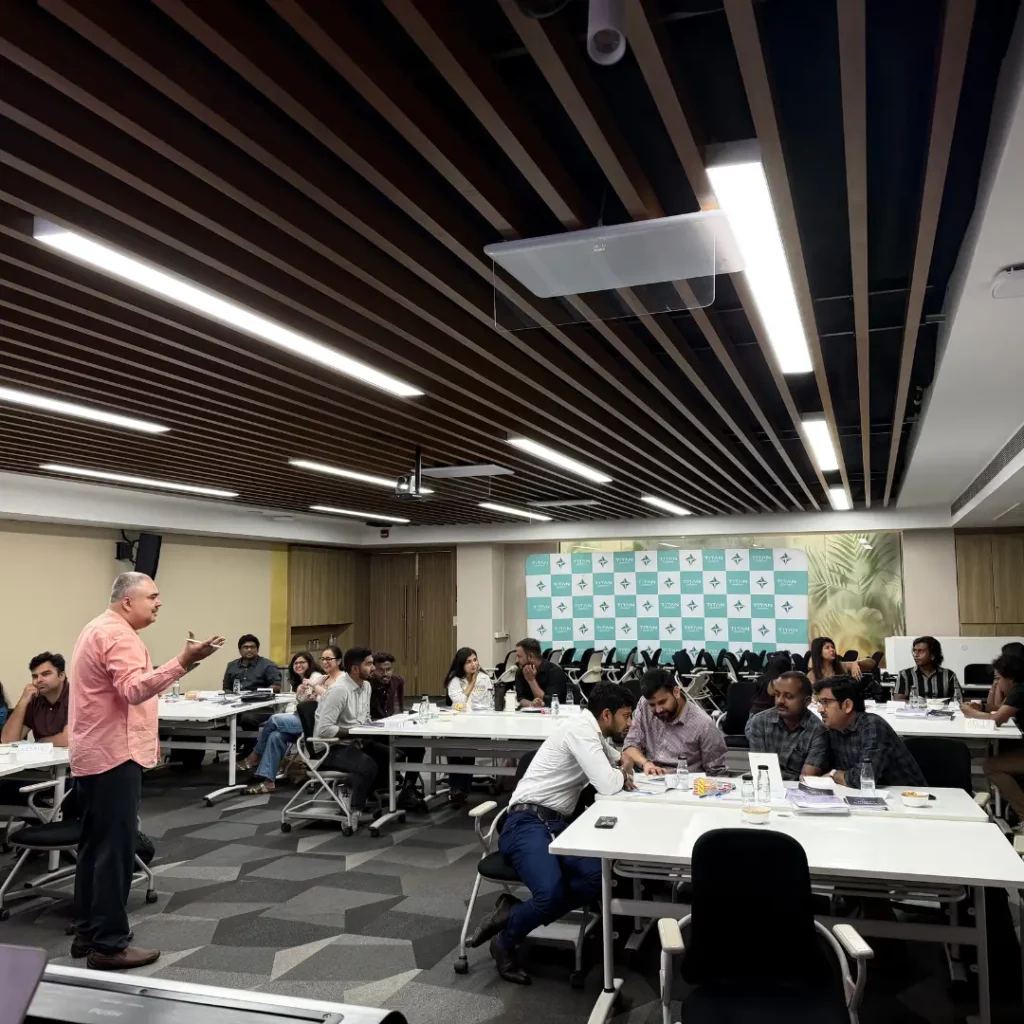
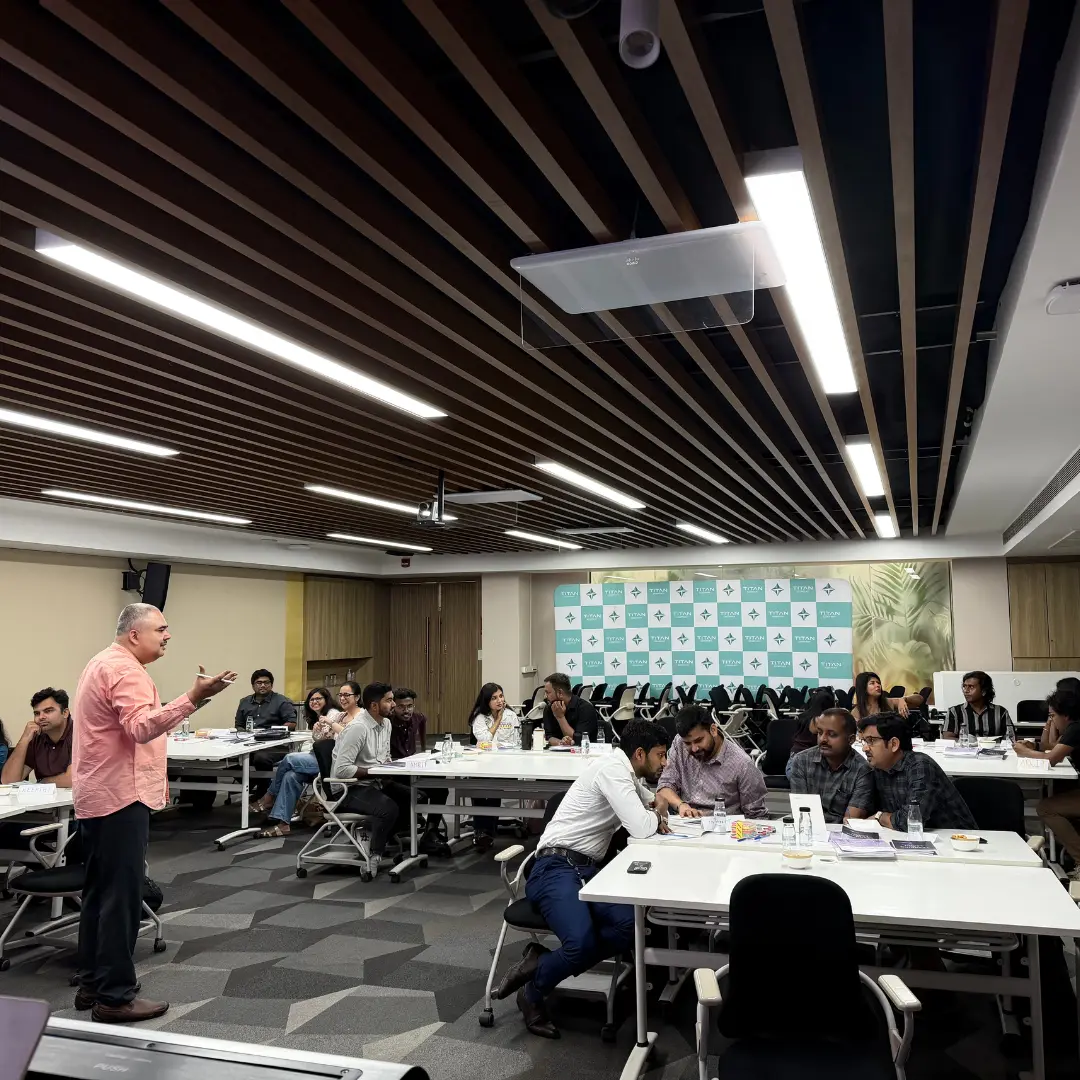
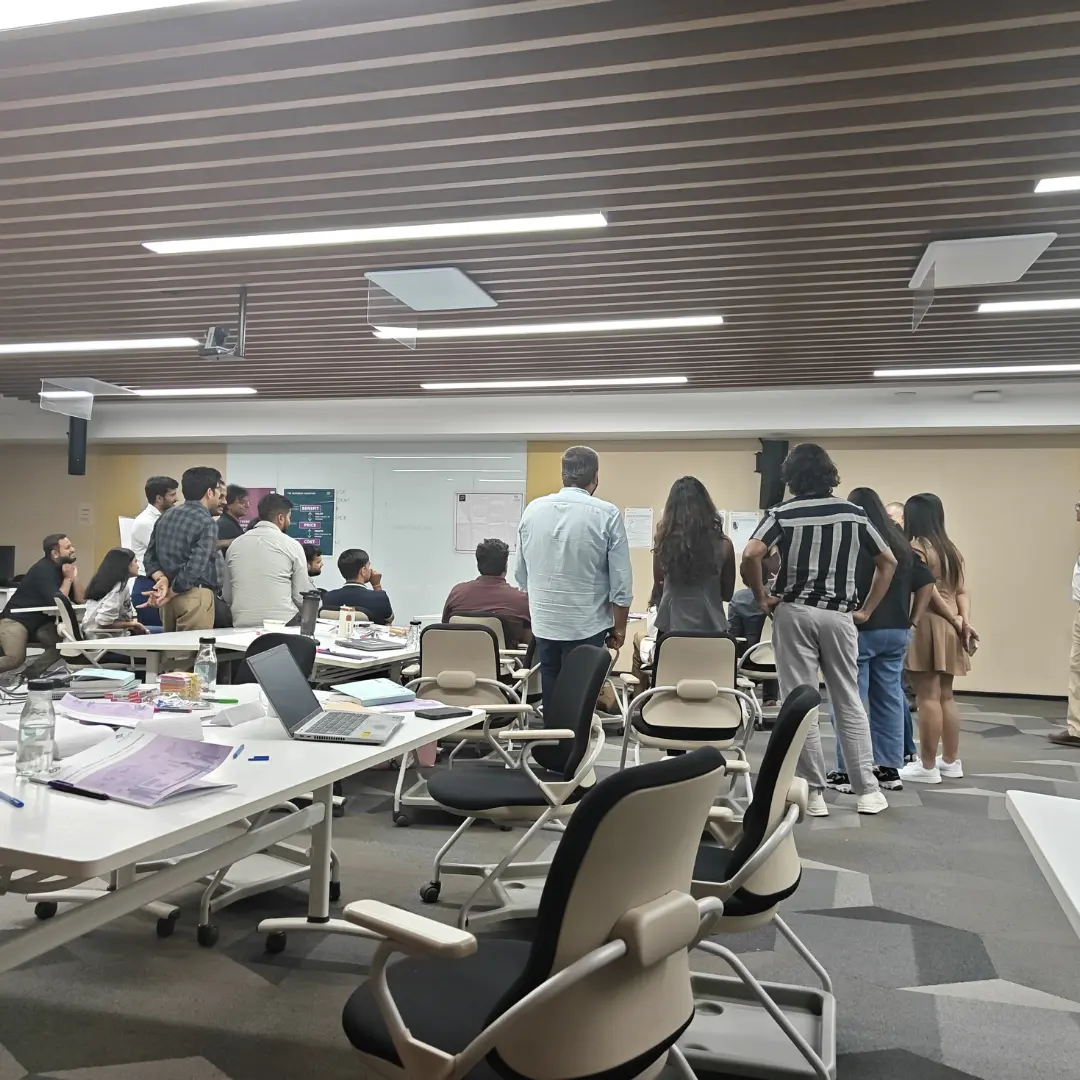
- Program Duration: 2-day intensive in-person capability workshop delivering concentrated strategic thinking and category management capability building, combining conceptual frameworks with live business application across the jewellery category context.
- Live Business Application: The gold jewellery category served as the primary application context throughout both days—grounding every framework in real category dynamics including competitive pressure on gold’s asset class role, fragmenting social signalling behavior, and the strategic implications of the intact emotional resonance moat.
- Framework-Led Learning Design: Strategic frameworks introduced progressively across the two days, moving participants from outside-in market analysis and customer understanding through competitive positioning and value proposition design to category portfolio management—building cumulative strategic perspective applicable to immediate business decisions.
Program Design
- Program Duration: 1-month structured capability journey designed to build strategic thinking and category management capabilities progressively, allowing participants time to absorb frameworks, reflect on their business context, and apply learning between sessions.
- Live Business Context: The jewellery business served as the primary application context throughout the journey, grounding every framework in real category dynamics—customer behavior, competitive vulnerability, portfolio economics, and value proposition design—ensuring participants built strategic capabilities through genuine business application rather than abstract exercises.
- Framework-Led Application Approach: Strategic frameworks introduced progressively across the month, with participants applying each tool to their own category context between sessions, building cumulative strategic perspective from outside-in market analysis through to competitive positioning and portfolio management decisions.
Key Themes Covered
Strategic Thinking and the Critical Thinking Ladder
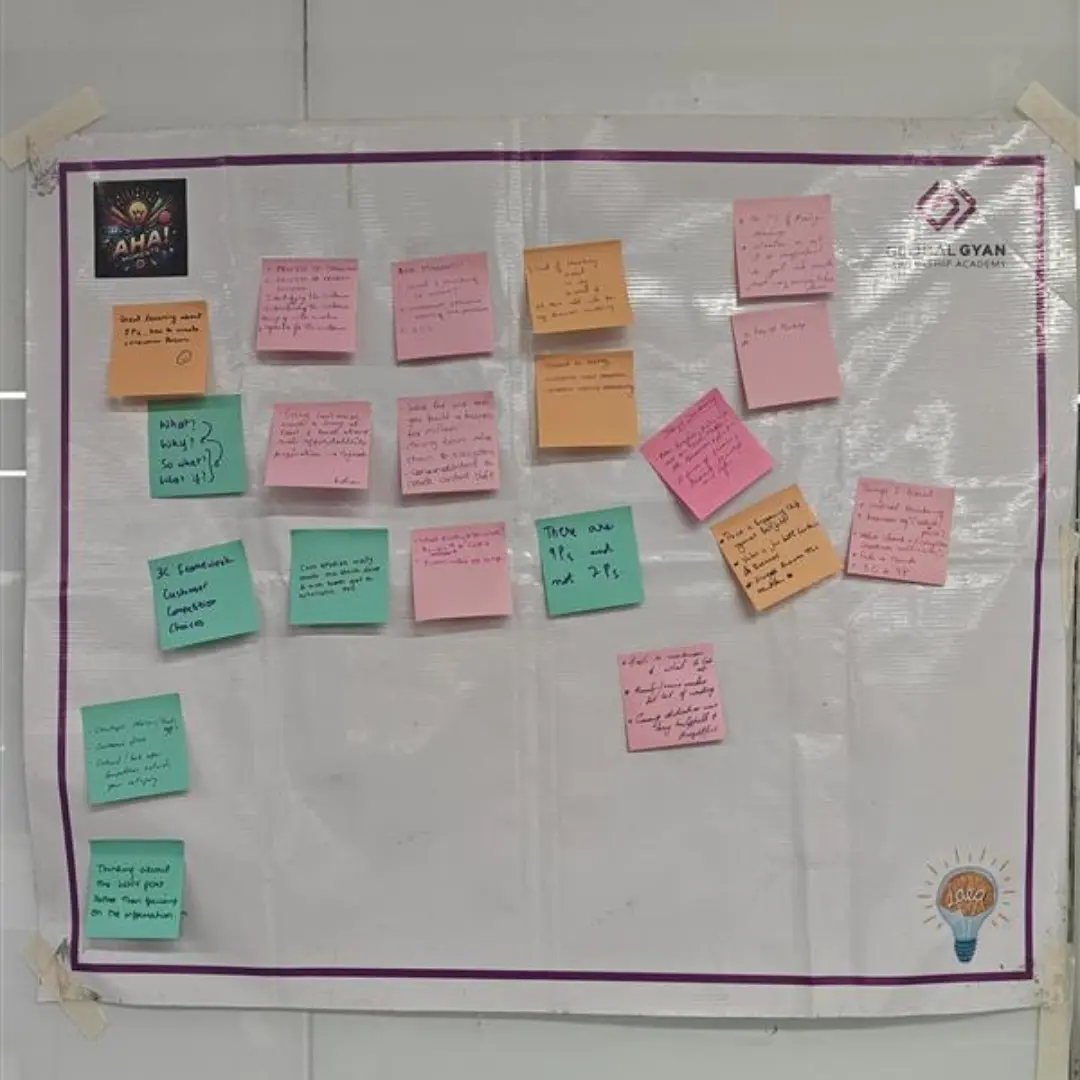
Participants developed a structured approach to strategic thinking anchored in the Critical Thinking Ladder—moving from What (information, curiosity) through Why (insights, connecting patterns) to So What (imagination, influence, and action). The module established two foundational business equations that underpinned every strategic discussion: Value equals Perceived Benefit versus Price, and Profit equals Price versus Cost—creating shared commercial language for evaluating strategic options throughout the workshop.
Mega-Trends — Ten Forces Rewiring Business, Society, and Life
Participants examined ten macro forces reshaping the competitive landscape, building outside-in perspective tied directly to jewellery category implications: New Fault Lines (geopolitical risk at a twenty-year high); Think Local Act Local (de-globalization driving supply chain localization); Green Rules (sustainability as license to operate); Man and Machine (AI reshaping forty percent of work tasks); Webs of Industry (ecosystem models generating seventy percent of new value); Customer equals CEO (personalization and empowered consumer voice); Alone Together (loneliness as wellness opportunity); Beyond Cure (seven trillion dollar wellness economy); Now or Never (instant gratification, especially among Gen Z); and Show Share Shine (social validation driving share-worthy brand experiences).
Gold’s Jewellery Business — The Three Pillars of Value
Participants examined gold jewellery through three distinct value dimensions that explain what customers are truly buying. Gold as an Asset Class — its wealth preservation role — faces growing pressure from equities and digital assets. Gold as Social Signalling — its status currency function — is fragmenting as consumers spread discretionary spending across travel, experiences, and digital identity. Gold’s Emotional Resonance — its role in rituals and heirlooms — remains the category’s most intact and defensible strategic moat, forming the strongest foundation for differentiated positioning.
Competitive Strategy and Value Proposition Design
Strategy was defined as choices at the intersection of what customers find attractive and what the organization delivers uniquely. Participants applied a structured UVP template to sharpen value proposition thinking, examined Zudio’s disruptive positioning as a case study in strategic choice-making, and explored four intangible differentiators — Emotion, Empathy, Experience, and Ecosystem. Competitive vulnerability assessment drew on Marico versus Dabur and Coke versus Pepsi cases, mapping responses across the Competitive Power Matrix — Defend and Absorb, Counter-Attack, Ignore and Monitor, Distract and Flank — with the FIRE framework (Frame, Identify, Rally, Execute) providing a structured path from competitive insight to organizational action.
Category Portfolio Management and Productivity
Participants applied the Portfolio Decision Triangle — balancing Consumer Need, Company Capability, Category Context, and Company Need — to make more disciplined portfolio investment choices. A Whirlpool case study illustrated trade-offs across product segments with different consumer profiles and margin structures. The Category Productivity Matrix then mapped the portfolio across Margin and Inventory Turns, generating four strategic zones — Margin Pools (premiumize), Category Engines (innovate), Value Traps (reassess or exit), and Volume Drivers (expand distribution and stimulate demand) — each with distinct strategic levers for more differentiated resource allocation.

Looking to build a customized leadership journey? We're here to help!
- Tailored Corporate Leadership Programs
- Outcome-Oriented Learning
- Gamified Assessments & Experiential Engagements
 GlobalGyan Leadership Academy